Polyurethane pipe supports
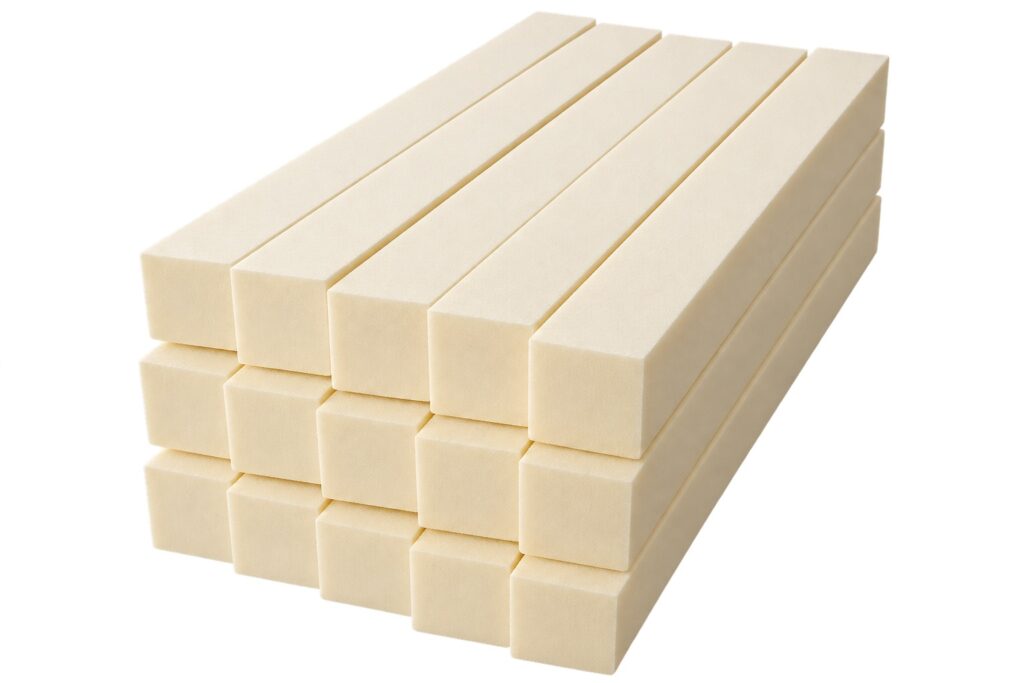
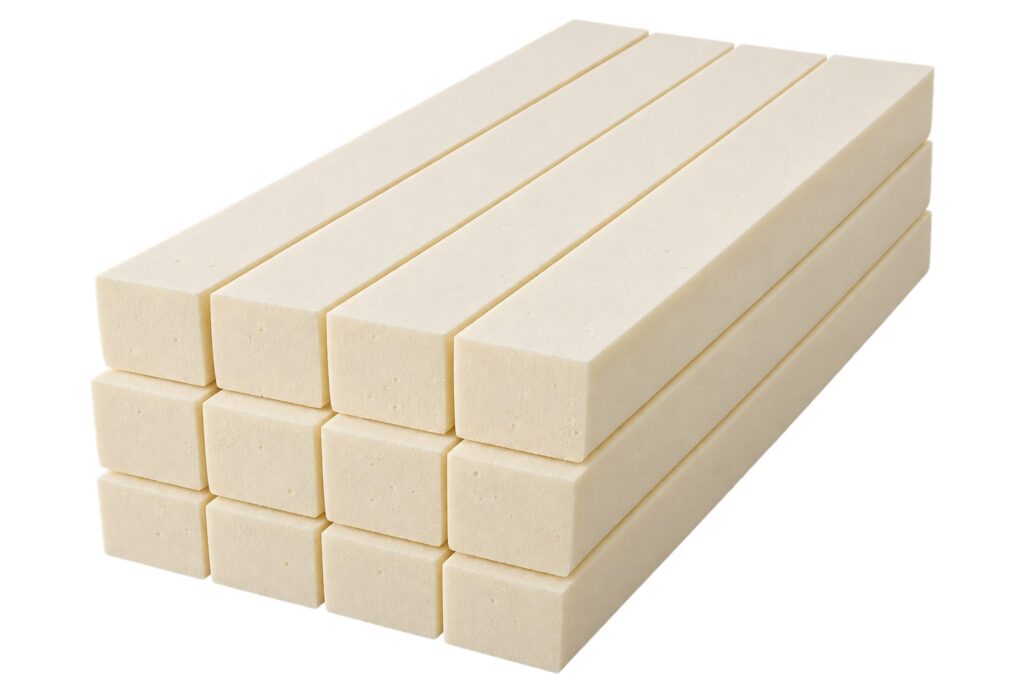
Polyurethane pipe supports are used to support pre-insulated pipes during installation and in service in district heating systems. They provide stable, load-bearing support and thermal insulation, helping the pipeline operate reliably.
The supports are made of rigid polyurethane foam with the density and compressive strength needed to withstand loads from the pipe, water, insulation and external conditions. Dimensions are selected to suit the pipe diameter and project requirements.
Common sizes include:
- 100 x 100 x 500mm
- 100 x 100 x 600mm
- 100 x 100 x 1000mm
Polyurethane boards
Polyurethane boards cut from blocks provide effective thermal insulation for a range of buildings and installations. They combine good insulation performance, low weight and durability, making them suitable for construction, industrial applications and refrigeration systems.
The boards’ low thermal conductivity allows them to provide a high level of insulation at a relatively small thickness. This reduces energy loss, helps maintain stable indoor temperatures and improves energy efficiency. They are durable, biologically neutral and resistant to moisture, chemicals, petrol, insects and rodents.
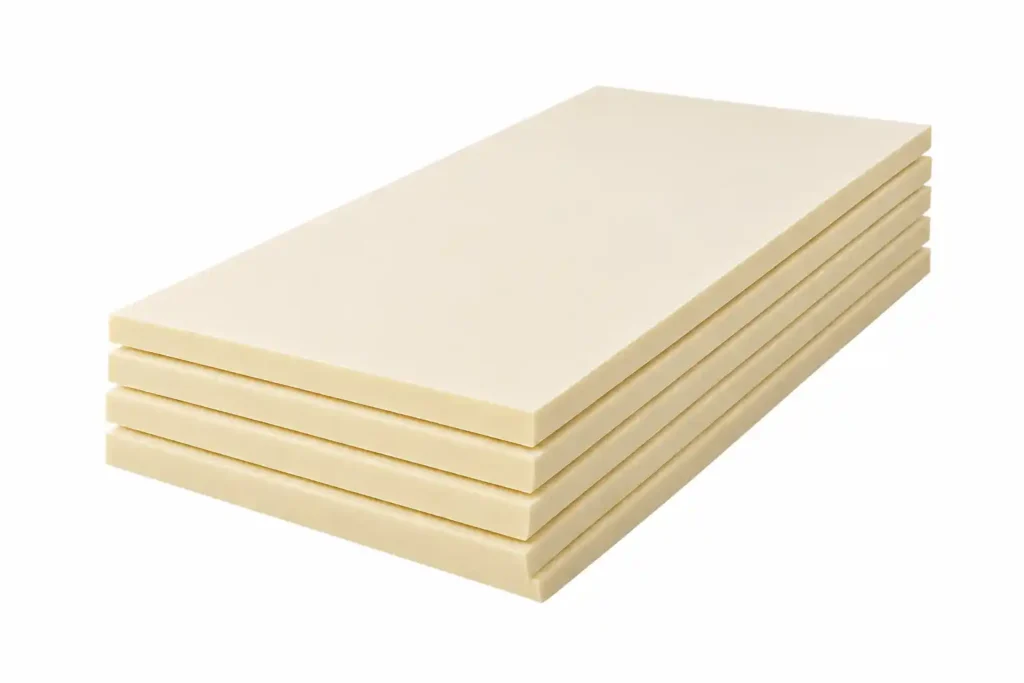
Polyurethane boards can be used to insulate walls, roofs, floors, cold stores, chambers, commercial buildings, industrial halls, swimming pools and vehicles, including pharmaceutical transport and refrigerated vehicles. They are also suitable for other applications requiring high thermal insulation performance and practical installation.
Polyurethane boards cut from blocks come in a standard size of 1000 × 2000 mm, with a thickness of 10–200 mm, and a density of 35–45 kg/m³.
N/N polyurethane boards
Kraft paper-faced polyurethane boards provide thermal insulation for buildings that require energy efficiency, low weight and a long service life. The polyurethane foam core is faced with kraft paper on both sides. The facings protect the insulation and make the boards easy to work with during installation.
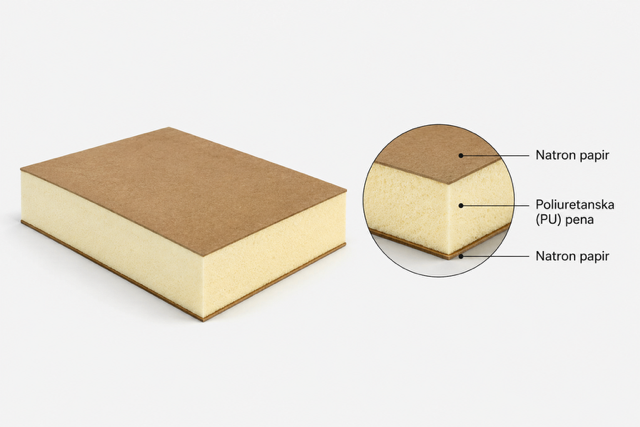
The boards are used to insulate walls, roofs, ceilings, lofts, floors, cold stores and swimming pools, as well as in applications that require both thermal insulation and higher compressive strength. They are practical for refurbishment and new construction because they are quick and clean to install.
Their very low thermal conductivity provides excellent insulation at a smaller thickness than many other materials. This reduces heat loss in winter and helps prevent overheating in summer. The boards are moisture-resistant and easy to handle, cut and install.
Kraft paper-faced polyurethane boards (N/N boards) come in a standard size of 1000 × 2000 mm, with a thickness of 40–160 mm, and a density of 50–90 kg/m³.
Railway balises
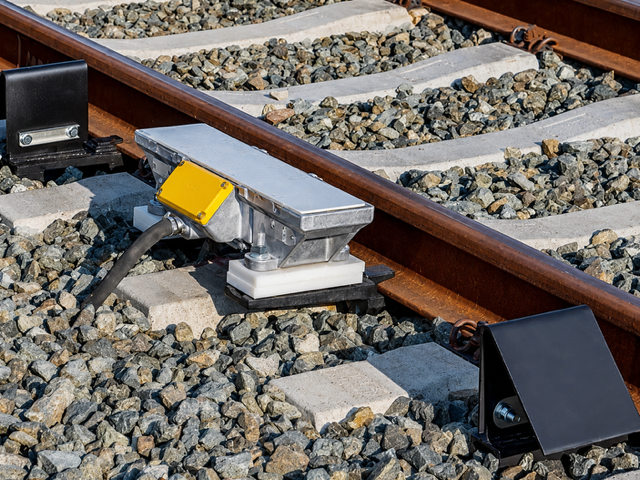
These polyurethane markers are used to mark traffic areas, car parks, industrial zones and other spaces used by vehicles and pedestrians. They are also used as components of railway braking systems. High-quality polyurethane gives them flexibility, impact resistance and a long service life.
Polyurethane components
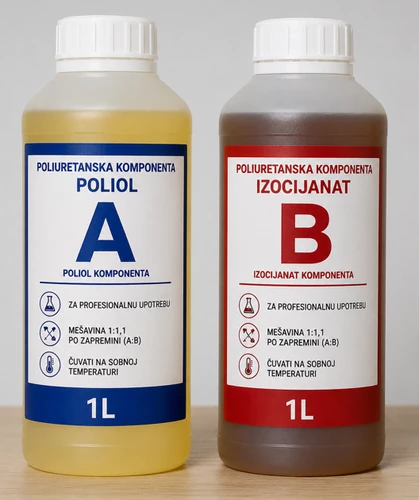
Polyurethanes are widely used polymers because of their versatile applications, mechanical properties and adaptability to different manufacturing processes. A polyurethane system has two main components: polyol (component A, the lighter-coloured component) and isocyanate (component B, the darker-coloured component). Accurate dosing and controlled mixing cause a chemical reaction that forms rigid polyurethane foam.
Applications
Polyurethane components have many applications. Formulations can be tailored for different densities, self-extinguishing properties, reaction times and temperature conditions up to 150°C. They are used in construction, automotive and furniture manufacturing, refrigeration, door and window production, mechanical and industrial equipment, shipbuilding, electrical engineering, footwear, sealant production and transport.
Polyurethane foam is an important insulating material in pre-insulated systems because of its thermal and mechanical properties. Correctly formed foam reduces heat loss and extends pipeline service life. Its closed-cell structure and low specific weight provide mechanical stability and resistance to pressure. A precise A-to-B component ratio and thorough mixing are essential to achieve the required structure, density and quality.
When installing heat-shrink joints in district heating systems, component A (polyol) and component B are mixed in a specified ratio, either manually or by machine. The required quantities depend on the joint size and diameter. Each joint diameter has a specified ratio. Always check the technical documentation for the particular polyurethane system and the manufacturer’s requirements before mixing.
Cyclopentane is used alongside the polyol and isocyanate in the manufacture of pre-insulated pipes, fittings and shut-off valves. It helps produce a fine, closed-cell foam structure with low thermal conductivity.
Mixing, preparation and storage
Accurately measure components A and B, the base and reactive components of the polyurethane system, into a clean, dry mixing vessel. Bring both components to the appropriate working temperature before mixing and use quantities suited to the volume being filled. Mixing can be done by hand or by machine, depending on the application. Once mixed, the components react and form polyurethane foam. Reaction time depends on component temperature, ambient temperature and the specific formulation.
Store the components in their tightly closed original packaging in a dry, ventilated place, away from direct sunlight and moisture, at the temperature specified by the manufacturer. Packaging sizes range from 1 to 250 litres.